
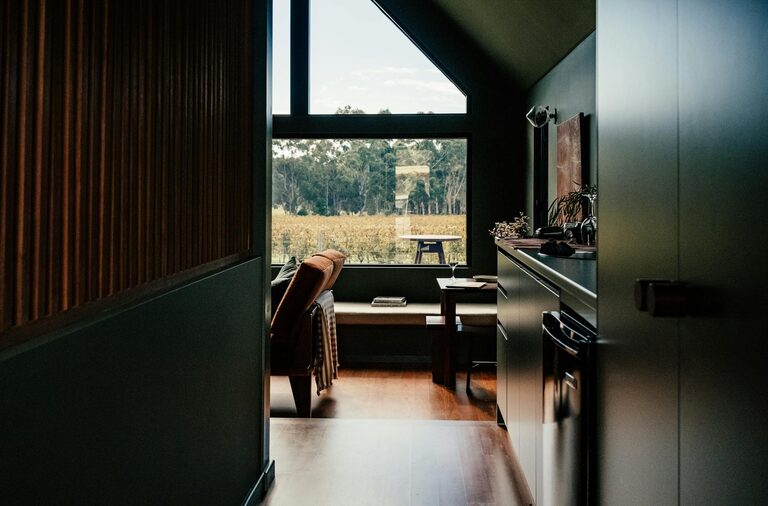
When a room feels dark and gloomy, it can affect your mood and make the space less inviting. Fortunately, brightening a dark room doesn’t require major renovations or expensive lighting fixtures. With some smart choices and creative touches, you can turn a lackluster room into a cheerful, welcoming area.
In this post, we’ll explore quick and easy ideas to bring more light and vibrancy to any dark room in your home.
Understand the Causes of Darkness
Before you dive into solutions, it helps to understand why a room might feel dark:
– Limited natural light due to small or shaded windows
– Dark wall colors or heavy curtains that block light
– Lack of sufficient artificial lighting
– Heavy furniture or clutter that absorbs light
Once you identify the main issue, you can choose the most effective ways to brighten the space.
1. Maximize Natural Light
Natural light is the most flattering and cost-effective way to brighten a room.
Use Light, Sheer Curtains
Swap out heavy drapes for sheer or light-colored curtains that allow sunlight to filter through without sacrificing privacy.
Keep Windows Clean
Dirty windows block sunlight. Regularly clean windows inside and out to maximize light entry.
Add Mirrors to Reflect Light
Place mirrors opposite or adjacent to windows. Mirrors reflect natural light deeper into the room, making it appear larger and brighter.
Clear Window Areas
Avoid placing bulky furniture or decorations that block windows. Keep window areas open to let in all the available light.
2. Choose Light and Bright Colors
The colors you choose for walls, floors, and furniture have a big impact on room brightness.
Paint Walls in Light Shades
Opt for whites, off-whites, pastels, or light neutrals. These colors reflect more light compared to dark tones, instantly making a room feel airier.
Use Bright Accessories
Decorate with colorful throw pillows, rugs, and artwork in vibrant hues like yellow, turquoise, or coral to add cheerful pops of color.
Light-Colored Flooring
If you have hardwood or laminate, consider lighter finishes. Light floor coverings or rugs brighten the space and reflect light upward.
3. Improve Artificial Lighting
When natural light isn’t enough, good lighting fixtures can make a huge difference.
Use Layered Lighting
Combine ambient lighting (overhead fixtures), task lighting (desk or reading lamps), and accent lighting (spotlights or wall sconces) to create a well-lit, balanced environment.
Pick Bright, Warm Bulbs
Opt for LED bulbs with daylight or soft white tones. These bulbs provide bright illumination without harsh glare.
Add Floor and Table Lamps
Supplement ceiling lights with lamps placed in dark corners or near seating areas to reduce shadows.
Use Reflective Light Fixtures
Choose lampshades and fixtures with reflective or translucent materials that help disperse light throughout the room.
4. Incorporate Reflective Surfaces and Glossy Finishes
Reflections increase brightness by bouncing light around the room.
Glass and Mirrored Furniture
Side tables or shelving units in glass or mirrored finishes create an airy, light-enhancing effect.
Metallic Accents
Decor items with brass, chrome, or silver finishes catch light and add sparkle.
Glossy Paint or Tiles
In areas like kitchens or bathrooms, glossy surfaces reflect light better than matte.
5. Declutter and Organize
Clutter can make a space feel cramped and dark by creating shadows and absorbing light.
Keep Surfaces Clear
Limit decorative items and keep countertops, tables, and shelves neat.
Use Open Shelving
Glass-front or open shelves maintain openness and let light pass through more freely.
Store Away Unused Items
Reducing clutter improves the flow of light and makes rooms feel larger and brighter.
6. Add Greenery and Natural Elements
Plants don’t just add freshness—they can contribute to a brighter atmosphere.
Choose Plants That Thrive in Low Light
Snake plants, pothos, and peace lilies survive in less sunny spots and bring life to dark corners.
Use White or Light-Colored Pots
Pots in white or pastel shades keep the overall look light.
7. Consider Window Treatments and Doors
Replace Solid Doors with Glass Doors
Interior glass doors allow light to flow between rooms.
Use Light-Filtering Blinds
Blinds that gently diffuse light provide privacy without blocking brightness.
8. Use Light Fabrics and Soft Textiles
Heavy, dark upholstery absorbs light. Instead, try:
– Linen, cotton, or other natural fabrics in light tones
– Sheer or lightweight throw blankets
– Cushions in pastel or bright colors
Final Tips to Keep in Mind
– Frequent cleaning helps light work its magic — dust and grime can dull surfaces and block light.
– Think vertically: tall, light-colored furniture draws the eye upward and opens up space.
– Keep ceilings white or very light to bounce light down into the room.
—
Brightening a dark room is achievable with simple tweaks, no matter your budget. Focus on maximizing light sources, using reflective and light colors, organizing your space, and adding cheerful accents. Try out a few ideas from this list and watch your space transform into a bright, inviting spot perfect for relaxing or entertaining.
Bright rooms can instantly uplift your mood, so start today with these quick, practical fixes!