
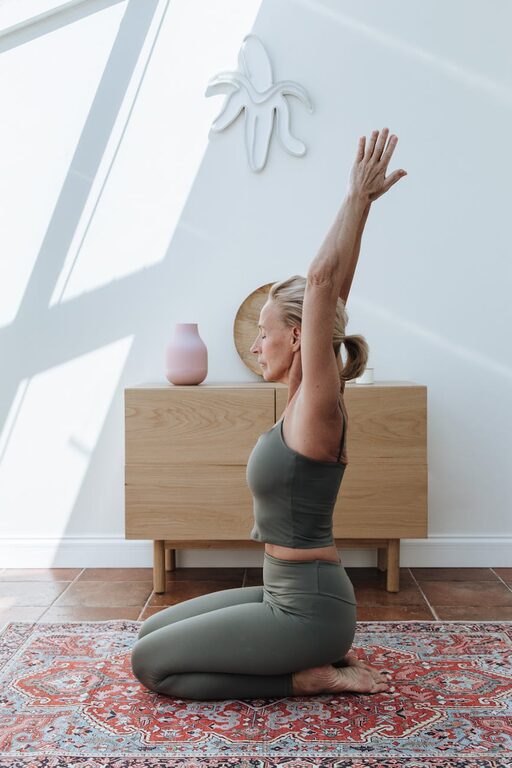
Stretching is a simple yet powerful way to improve your overall health and well-being. Whether you want to enhance flexibility, reduce muscle tension, or prepare your body for physical activity, stretching at home offers a convenient and effective solution. This beginner’s guide will walk you through the basics of stretching, how to do it safely, and a selection of easy stretches you can try today.
Why Stretching Matters
Stretching benefits your body and mind in many ways:
– Increases flexibility: Regular stretching helps your muscles and joints move through their full range of motion.
– Reduces muscle tension: Stretching relaxes tight muscles, easing discomfort and stiffness.
– Improves posture: Stretching can help balance muscle groups and reduce strain from prolonged sitting or standing.
– Enhances circulation: It can boost blood flow to muscles, promoting better recovery.
– Relieves stress: Gentle stretches help calm the nervous system, promoting relaxation.
By making stretching part of your daily routine, you can improve mobility and prevent injuries.
When and How to Stretch
Best Time to Stretch
– After exercise: When your muscles are warm, stretching helps reduce soreness and increase flexibility.
– In the morning: Gentle stretches can awaken your body and increase circulation.
– During breaks: Short stretching breaks during the day can ease stiffness, especially if you sit for long periods.
Safety Tips for Beginners
– Warm up first: Stretching cold muscles can cause injury. Try light activity like walking or marching in place for 5 minutes before stretching.
– Don’t bounce: Use slow, steady movements instead of bouncing to avoid muscle strain.
– Listen to your body: Stretch to the point of gentle tension, not pain.
– Breathe deeply: Keep your breathing smooth and even while you stretch.
– Hold steady: Aim to hold each stretch for 15-30 seconds.
Basic Stretches to Try at Home
Here are some easy stretches suitable for beginners. Perform each stretch 2-3 times per side if applicable.
1. Neck Stretch
– Sit or stand tall.
– Slowly tilt your head toward your right shoulder until you feel a stretch on the left side of your neck.
– Hold, then repeat on the other side.
2. Shoulder Rolls
– Roll your shoulders forward in a circular motion 10 times.
– Then roll them backward 10 times.
– This helps release shoulder tension and improve mobility.
3. Chest Opener
– Clasp your hands behind your back.
– Straighten your arms and gently lift your hands while squeezing your shoulder blades together.
– Hold and breathe deeply to open the chest.
4. Cat-Cow Stretch (for spine flexibility)
– Start on all fours with your hands beneath your shoulders and knees under your hips.
– Arch your back, dropping your belly towards the floor (cow pose).
– Then round your spine upward, tucking your chin to your chest (cat pose).
– Repeat slowly 8-10 times.
5. Seated Forward Fold
– Sit on the floor with your legs extended straight.
– Hinge from your hips and gently reach your hands toward your toes.
– Keep your back straight and only stretch as far as comfortable.
6. Hip Flexor Stretch
– Kneel on your right knee with your left foot in front, knee bent.
– Shift your weight forward slightly to stretch the front of your right hip.
– Hold, then switch sides.
7. Standing Quadriceps Stretch
– Stand tall and hold onto a chair or wall for balance.
– Bend your right knee, bringing your heel toward your buttocks.
– Grab your ankle with your right hand and gently pull to stretch the front of your thigh.
– Hold, then repeat on the other side.
8. Calf Stretch
– Stand facing a wall with hands pressed against it.
– Step your right foot back, keeping it flat on the floor.
– Lean into the wall until you feel a stretch in your right calf.
– Hold, then switch legs.
Tips for Making Stretching a Habit
– Set a regular time during the day for stretching, such as after waking up or before bed.
– Use reminders on your phone or calendar.
– Keep your stretching space comfortable and clutter-free.
– Combine stretching with soothing music or deep breathing exercises.
– Track your progress by noting increased flexibility or reduced tension.
When to Seek Professional Advice
If you experience sharp pain during stretching, or have any injuries or health conditions, consult with a healthcare professional or physical therapist before beginning a stretching routine. They can provide tailored advice to suit your needs.
—
Starting a stretching routine at home is simple, requires no special equipment, and can yield lasting benefits for your body and mind. By incorporating these beginner-friendly stretches into your daily life, you’ll enjoy better flexibility, less tension, and improved overall wellness. Remember to be patient and consistent—stretching is a gentle journey toward a more comfortable, mobile you!