
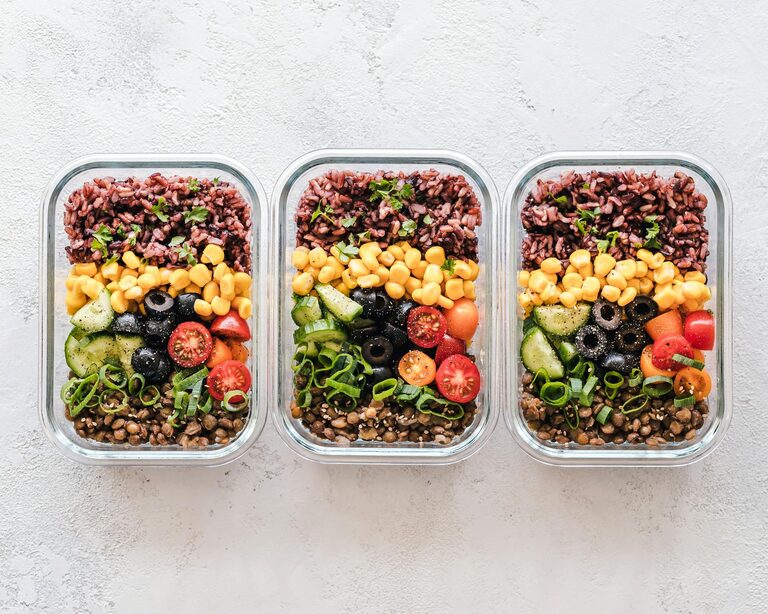
Creating a weekly meal plan can transform the way you approach cooking, grocery shopping, and eating. By planning your meals ahead of time, you can save time, reduce food waste, and enjoy balanced, delicious dishes without the last-minute scramble. This guide will walk you through simple steps to create a weekly meal plan that fits your lifestyle.
Why Create a Weekly Meal Plan?
Meal planning offers several benefits:
– Saves Time: Knowing what to cook means fewer daily decisions and quicker grocery trips.
– Reduces Stress: No more worrying about what’s for dinner every evening.
– Encourages Healthy Eating: Planning helps you balance your meals and control portions.
– Saves Money: Buying ingredients in bulk and avoiding takeout can reduce expenses.
– Minimizes Food Waste: Using leftovers and planned ingredients helps reduce what gets thrown away.
With these advantages in mind, let’s explore how to create your own meal plan.
Step 1: Assess Your Week Ahead
Before you start writing your meal plan, consider your schedule:
– How many meals do you need to prepare each day? (Breakfast, lunch, dinner, snacks)
– Will you be home every evening or eating out occasionally?
– Are there any special occasions or social events?
– How much time can you realistically dedicate to cooking?
Having a clear picture of your week helps you create a practical and achievable plan.
Step 2: Gather Inspiration and Recipes
Browse cookbooks, websites, or apps to find recipes you want to try. Choose meals that:
– Match your cooking skill level
– Use ingredients you enjoy
– Can be prepared within your available time
– Include a variety of food groups (vegetables, proteins, grains)
Consider planning a mix of easy meals for busy nights and recipes that take longer for days you have more time.
Step 3: Create a Simple Template
Use a notebook, printable planner, or a digital tool to organize your plan. A simple table with days of the week and meals or a checklist format works well.
For example:
| Day | Breakfast | Lunch | Dinner | Snacks |
|———–|—————|—————-|—————-|—————|
| Monday | Oatmeal | Chicken Salad | Stir-fry | Yogurt & nuts |
| Tuesday | Smoothie Bowl | Leftovers | Pasta | Fruit |
This format keeps everything visible and easy to update.
Step 4: Plan Your Meals
Start filling in your template:
Breakfast
Choose simple, nutritious options that fuel your day, like:
– Greek yogurt with fruit and granola
– Whole grain toast with avocado and eggs
– Smoothies with spinach, banana, and protein powder
Lunch
If you bring lunch to work or school, plan meals that are easy to pack and reheat:
– Salads with grains and lean protein
– Sandwiches or wraps with plenty of veggies
– Soups or stews made in advance
Dinner
Pick dinners based on your available time:
– Quick stir-fries or pasta dishes for busy nights
– Slow cooker or sheet pan meals for hands-off cooking
– Family favorites or new recipes for when you want to try something different
Snacks
Healthy, satisfying snacks can keep energy levels steady:
– Nuts and seeds
– Fresh cut veggies with hummus
– Cheese and whole-grain crackers
Step 5: Make a Grocery List
Review your meal plan and write down all ingredients you will need. Check your pantry and fridge to avoid duplicates.
Organize your list by sections of the store (produce, dairy, meats, pantry) to make shopping efficient.
Step 6: Prep Ahead
To save time during the week:
– Wash and chop vegetables in advance
– Cook grains or proteins in batches
– Portion snacks into grab-and-go containers
– Prepare ingredients for recipes that require marinating or soaking
Spending a little time upfront makes cooking easier on busy days.
Step 7: Be Flexible and Adjust
While a plan helps keep you on track, allow room for changes:
– Swap meals between days depending on your appetite or schedule
– Use leftovers creatively to avoid waste
– Don’t stress if plans change—just adjust and move forward
Sample Weekly Meal Plan
Here’s a sample plan to get you started:
Monday
– Breakfast: Overnight oats with berries
– Lunch: Turkey and avocado wrap
– Dinner: Vegetable stir-fry with tofu
– Snacks: Apple slices with almond butter
Tuesday
– Breakfast: Smoothie with spinach, banana, and yogurt
– Lunch: Quinoa salad with chickpeas and tomatoes
– Dinner: Baked salmon with roasted broccoli
– Snacks: Carrot sticks and hummus
Wednesday
– Breakfast: Scrambled eggs with whole grain toast
– Lunch: Leftover salmon salad
– Dinner: Spaghetti with marinara and meatballs
– Snacks: Mixed nuts
…and so on for the rest of the week.
Final Tips for Success
– Start Small: If meal planning is new to you, focus on planning dinners first.
– Use Themes: Assign themes like “Meatless Monday” or “Taco Tuesday” to simplify choices.
– Include Family: Get input from family members to plan meals everyone enjoys.
– Keep it Visible: Post your plan on the fridge or a common area as a reminder.
– Review Weekly: Take time each weekend to plan the upcoming week.
With these simple steps, creating a weekly meal plan can become a routine that saves you time, lowers stress, and helps you enjoy delicious meals every day. Happy planning!