
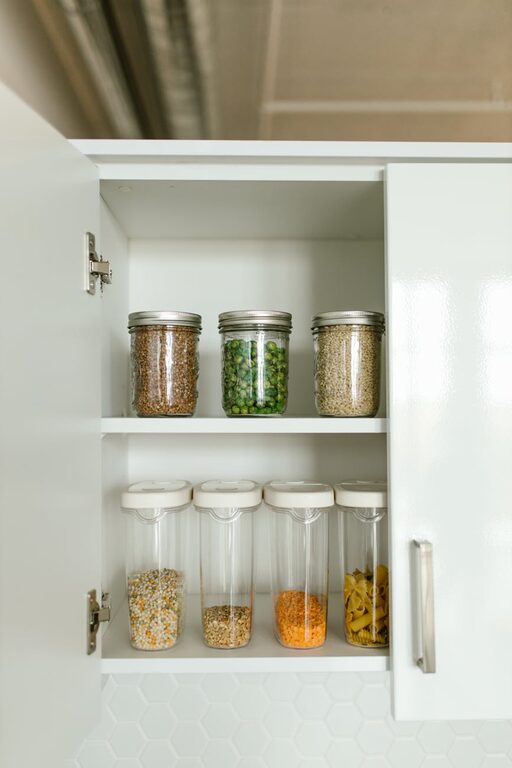
Keeping your fridge and pantry tidy is an essential part of maintaining an efficient kitchen. A well-organized storage system not only helps you find ingredients quickly but also reduces food waste and keeps your meals fresh. Whether you have a small apartment kitchen or a spacious home setup, these simple tips will make your fridge and pantry a breeze to manage.
Why Keep Your Fridge and Pantry Organized?
An organized fridge and pantry save time and money. When you can easily see what you have, you avoid buying duplicates or letting food expire unnoticed. A tidy space also makes meal prep faster and reduces stress. Plus, cleaning becomes less daunting when everything has a designated place.
—
Step 1: Clear Everything Out
Start by removing all items from your fridge and pantry. This gives you a fresh start and lets you inspect your current food supplies.
– Check expiration dates and toss anything that’s spoiled or expired.
– Group similar items together: condiments, dairy, canned goods, baking ingredients, snacks, etc.
– Wipe down all shelves and drawers with a damp cloth and mild cleaner.
—
Step 2: Use Clear Storage Containers
Investing in clear containers can make a huge difference in pantry organization.
– Choose airtight containers to keep dry goods fresh longer.
– Label each container with contents and expiry dates.
– Use stackable containers to save space and maintain order.
For the fridge, use clear bins or trays to group items like fruits, vegetables, dairy, and deli meats.
—
Step 3: Implement Zones for Easy Access
Divide your fridge and pantry into designated zones based on food categories.
In the Fridge
– Top shelves: Ready-to-eat foods like leftovers, drinks, and yogurt.
– Middle shelves: Dairy products such as milk and cheese.
– Bottom shelves: Raw meat and fish — keep these on a tray to catch drips.
– Drawers: Use crispers for fruits and vegetables.
In the Pantry
– Canned goods: Keep together on one shelf.
– Snacks: Place at eye level for easy access.
– Baking supplies: Store in one area, such as flour, sugar, and spices.
– Bulk items: Use bins or baskets for large quantities to prevent spills.
—
Step 4: Rotate Your Food
Practice the FIFO method — First In, First Out.
– Place new groceries behind older ones to use older items first.
– Keep track of food with the help of a simple inventory list.
– This method helps reduce food waste and keeps your meals fresher.
—
Step 5: Keep a Regular Cleaning Schedule
Set a routine for tidying up:
– Weekly: Check for spills, wipe shelves, and reorganize frequently used items.
– Monthly: Do a deep clean by emptying and washing shelves and bins.
– Seasonal: Review your pantry and fridge contents, donating items you don’t use.
—
Step 6: Use Space-Saving Tips
Maximize space in your fridge and pantry with these hacks:
– Use tension rods to create dividers for cutting boards or lids.
– Hang baskets on pantry doors for extra storage.
– Install shelf risers to double vertical space.
– Store items like jars and cans in cans holders or racks.
—
Step 7: Label Everything
Labels help everyone in the household maintain order.
– Use chalkboard labels for reusable containers.
– Color-code labels for different food types or urgency.
– Label shelves as well to remind where items belong.
—
Bonus Tips for Maintaining Organization
– Don’t overcrowd shelves; allow space for air circulation in the fridge.
– Keep a grocery list on your fridge door for restocking essentials.
– Place a small trash or compost bin near your pantry or fridge to quickly discard packaging.
– Consider using apps or planners to track your meal plans and grocery needs.
—
Final Thoughts
Keeping a tidy fridge and pantry doesn’t have to be a chore. By adopting these simple habits and systems, you’ll find your kitchen more welcoming and efficient. Organized storage not only saves you time and money but also encourages healthier eating habits. Start small, stay consistent, and enjoy the benefits of a clutter-free kitchen. Happy organizing!